
A swimming pool is often the centerpiece of an outdoor living space, providing a place for relaxation, entertainment, and family gatherings. However, every pool owner faces the same challenge: creating an environment that is both exceptionally safe and visually appealing. Traditional fencing solutions such as timber, aluminum, or wrought iron often force homeowners to compromise. While these materials may satisfy safety regulations, they frequently obstruct views, reduce natural light, and diminish the luxurious atmosphere that many property owners want to achieve.
This is precisely why Pool Fence Glass Railing systems have become one of the fastest-growing architectural trends in residential and commercial properties. Modern glass railings combine uncompromising safety with elegant aesthetics, creating a protective barrier that feels almost invisible. Rather than separating the swimming pool from the surrounding landscape, glass creates an open visual connection that makes outdoor spaces appear significantly larger, brighter, and more sophisticated.
Today’s premium Pool Fence Glass Railing systems are engineered with advanced tempered safety glass, precision stainless steel hardware, and innovative installation techniques that meet stringent international safety standards. Unlike older misconceptions about glass being fragile, modern pool fencing is specifically designed to withstand extreme weather, accidental impacts, and years of continuous exposure to water, sunlight, and changing temperatures. When installed correctly, these systems provide long-term structural stability while requiring surprisingly little maintenance.
Another reason homeowners increasingly choose glass is its versatility. Whether your property features minimalist architecture, coastal landscaping, tropical gardens, or contemporary outdoor entertainment areas, glass complements virtually every design style. Instead of competing with the home’s architecture, it enhances existing features while maximizing scenic views and allowing natural light to flow freely throughout the property.
This comprehensive guide explores every aspect of Pool Fence Glass Railing, from understanding the engineering principles behind tempered safety glass to selecting the ideal design for your property. You’ll learn about safety regulations, installation methods, hardware options, maintenance strategies, common mistakes, long-term durability, and practical design considerations that professionals use when planning luxury outdoor spaces.
Whether you’re building a new swimming pool, renovating an older backyard, or simply researching premium fencing options before making an investment, this guide provides expert-level insights that go far beyond basic buying advice. By the end, you’ll have the knowledge needed to choose a glass railing system that balances safety, durability, compliance, and timeless style for years to come.

## Why Pool Fence Glass Railing Has Become the Premium Choice
Modern outdoor living spaces have evolved dramatically over the last decade. Homeowners no longer view swimming pools as isolated recreational features. Instead, pools have become integral components of larger outdoor entertainment environments that include patios, outdoor kitchens, landscaped gardens, fire pits, and lounge areas. Within this broader design philosophy, fencing is no longer merely a safety requirement—it has become an essential architectural element.
A Pool Fence Glass Railing system aligns perfectly with this modern approach because it prioritizes openness without sacrificing protection. Unlike traditional fencing materials that create visual barriers, glass preserves uninterrupted sightlines across the entire outdoor space. This makes smaller backyards appear considerably larger while allowing landscaping, water features, and premium outdoor finishes to remain visible from every angle.
The transparency of glass also improves everyday supervision. Parents can easily monitor children swimming from nearby seating areas or inside the home without obstruction. Enhanced visibility contributes significantly to pool safety, making glass fencing both an aesthetic and practical investment.
Professionally installed glass railings also contribute to higher property values. Luxury homebuyers increasingly associate frameless glass fencing with premium construction quality and contemporary architectural design. Real estate professionals frequently highlight glass pool fencing as an attractive selling feature because it enhances curb appeal while demonstrating compliance with modern safety expectations.
### Combining Luxury with Everyday Functionality
The greatest strength of modern glass fencing lies in its ability to combine elegance with exceptional functionality. High-quality tempered safety glass is manufactured through controlled heating and rapid cooling processes that dramatically increase structural strength compared to ordinary glass.
Should an extremely rare breakage occur, tempered glass fractures into small rounded fragments instead of dangerous sharp shards. This safety characteristic significantly reduces injury risk and is one of the reasons building regulations worldwide recognize tempered glass as the preferred material for protective barriers around swimming pools.
Glass also performs exceptionally well in outdoor environments. Unlike timber fencing, it cannot rot, warp, attract termites, or require regular painting. Unlike steel, it cannot rust when paired with marine-grade stainless steel hardware. This combination of durability and minimal maintenance results in lower lifetime ownership costs despite a higher initial investment.
Another often-overlooked advantage is sunlight optimization. Because glass permits maximum natural light transmission, surrounding landscaping receives consistent sunlight, helping plants thrive while preventing outdoor spaces from feeling enclosed or shaded by opaque fencing materials.
### Enhanced Safety Without Sacrificing Visibility
Safety remains the primary reason any pool fence exists. Every properly engineered Pool Fence Glass Railing system is designed to prevent unauthorized access while maintaining structural integrity under everyday use.
Modern installations typically feature self-closing, self-latching gates that automatically secure access after each use. Precision-engineered hinges ensure smooth operation while maintaining alignment over many years of repeated opening and closing.
Glass panels themselves are carefully calculated according to engineering requirements that consider panel width, height, wind loads, impact resistance, and support spacing. These calculations ensure that each installation meets relevant building codes while providing long-term reliability.
Visibility also plays a major role in emergency preparedness. In situations where someone requires immediate assistance in the pool, transparent fencing enables quicker recognition and faster response compared to opaque alternatives.
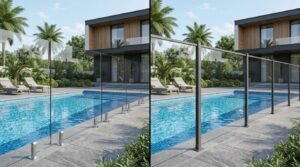
## Understanding the Engineering Behind Pool Fence Glass Railing
Although glass fencing appears minimalist, significant engineering exists behind every successful installation. Professional designers evaluate numerous variables before selecting glass thickness, panel dimensions, support methods, hardware configurations, and foundation requirements.
The most common material used in premium installations is tempered safety glass ranging from 10 mm to 15 mm thick depending on local regulations and structural requirements. Some high-end commercial projects may utilize laminated tempered glass that incorporates multiple bonded layers for additional redundancy.
The tempering process subjects glass to temperatures exceeding 600°C before rapidly cooling the outer surfaces. This creates internal compression forces that substantially improve impact resistance while reducing breakage risk during normal use.
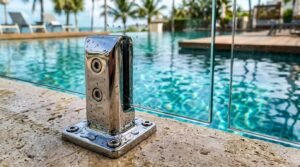
Equally important is the supporting hardware. Marine-grade 316 stainless steel spigots, clamps, channels, and gate hinges are specifically manufactured to resist corrosion in humid pool environments. Inferior hardware may deteriorate rapidly, making premium stainless steel an essential component of any long-lasting installation.
### Frameless vs Semi-Frameless Systems
Homeowners generally choose between frameless and semi-frameless configurations depending on budget, design goals, and structural considerations.
Frameless systems use heavy tempered glass supported by discrete stainless steel spigots or concealed channels. Because there are no vertical posts interrupting the view, frameless designs create the cleanest architectural appearance and maximize visual openness.
Semi-frameless systems incorporate slim aluminum or stainless steel posts between glass panels. While slightly less visually seamless, these systems often reduce installation costs and simplify structural engineering for larger or more complex projects.
Both systems provide excellent safety performance when professionally designed and installed. The decision usually depends on architectural style, desired aesthetics, maintenance preferences, and project budget rather than safety differences.
### Importance of Professional Structural Design
Many homeowners mistakenly assume glass fencing is a simple decorative feature. In reality, every installation functions as a structural safety barrier that must withstand environmental loads throughout its service life.
Professional installers evaluate soil conditions, concrete strength, deck construction, drainage, wind exposure, expansion joints, and nearby structures before installation begins. Even minor foundation movement can affect glass alignment if these factors are overlooked.
Experienced contractors also ensure accurate spacing between panels and gates to satisfy local building codes while maintaining a clean architectural appearance. Precision measurement during installation minimizes stress concentrations that could otherwise affect long-term durability.
When properly engineered and installed, a premium Pool Fence Glass Railing system provides decades of reliable performance while maintaining the elegant appearance that has made glass fencing one of the most desirable outdoor architectural features available today.
## Pool Fence Glass Railing Safety Standards and Building Code Requirements
Installing a Pool Fence Glass Railing is not simply a design decision; it is a legal and safety obligation in most jurisdictions. Building codes exist to reduce the risk of accidental drowning, prevent unauthorized access, and ensure that the fence performs reliably throughout its service life. While regulations differ slightly between countries and municipalities, nearly all modern pool safety standards emphasize fence height, gate functionality, structural strength, and the use of certified safety glass. Understanding these requirements before purchasing materials can save significant time, money, and frustration during inspections.
One of the first considerations is the minimum fence height. Most residential codes require pool fencing to stand between 1.2 and 1.8 meters (approximately 4–6 feet), depending on local regulations. The purpose of this height is to make climbing difficult while maintaining adequate visibility across the pool area. In addition to overall height, inspectors also evaluate the clearance beneath the fence. Excessive gaps beneath glass panels could allow small children or pets to crawl underneath, making precise installation essential.
Another critical requirement involves gate operation. Pool gates must generally be self-closing and self-latching, with the latch positioned beyond the reach of young children. These mechanisms should automatically return the gate to the closed position after every use, reducing the likelihood of accidental access. Unlike decorative garden gates, pool gates are considered active safety devices and therefore require routine testing to ensure continued reliability.
Modern Pool Fence Glass Railing systems are also subject to structural performance standards. Glass panels, support hardware, anchors, and fasteners must withstand specified wind loads, impact forces, and environmental conditions without compromising safety. Professional installers calculate these loads based on panel dimensions, local weather conditions, and the structural characteristics of the surrounding deck or foundation.
### International Safety Standards for Glass Pool Fencing
Premium glass pool fencing products are typically manufactured to comply with internationally recognized safety standards. These certifications verify that the glass has undergone rigorous impact testing, fragmentation testing, and quality inspections before reaching the market.
Tempered safety glass is the industry standard because it offers exceptional mechanical strength. During manufacturing, the glass is heated to extremely high temperatures before being rapidly cooled. This process places the outer surfaces in compression while strengthening the internal structure. As a result, tempered glass is several times stronger than standard annealed glass and performs exceptionally well under everyday conditions.
Many commercial projects and luxury residential developments also specify laminated tempered glass. This construction bonds multiple layers of glass together using a durable interlayer that continues holding the panel together even if one layer experiences severe damage. Although laminated systems generally cost more, they provide an additional level of security and are increasingly used in high-end architectural applications.
Certification should never be overlooked. Reputable manufacturers permanently mark each panel with compliance information indicating the applicable safety standard. This identification simplifies inspections and provides reassurance that the material satisfies recognized engineering requirements.
### Why Professional Compliance Matters
Attempting to reduce costs by ignoring local regulations often creates much larger expenses later. A non-compliant pool fence may fail municipal inspections, delay property sales, invalidate insurance coverage, or require complete replacement before occupancy approval is granted.
Professional contractors understand the specific code requirements within their region and coordinate installations accordingly. They account for gate swing direction, latch height, glass thickness, footing depth, drainage considerations, and hardware spacing during project planning rather than attempting corrections after installation.
Compliance also affects long-term liability. Properly documented installations demonstrate that the homeowner took reasonable steps to provide a safe swimming environment. This documentation can become valuable should future insurance claims or legal questions arise.
## Choosing the Right Glass for a Pool Fence Glass Railing
The appearance of a Pool Fence Glass Railing depends heavily on the type of glass selected, but aesthetics represent only one aspect of the decision. Glass thickness, clarity, edge finishing, manufacturing quality, and structural performance all influence the finished result. Selecting premium materials from the beginning ensures that the installation remains attractive, safe, and durable for many years.
Thickness is one of the most important specifications. Residential frameless systems commonly use 12 mm tempered glass because it offers an excellent balance between strength and visual elegance. Larger panels or installations in high-wind environments may require thicker glass to satisfy engineering calculations. Commercial projects often specify even heavier panels depending on occupancy requirements and local building codes.
Glass clarity also deserves careful consideration. Standard tempered glass contains small amounts of iron that produce a slight green tint, particularly when viewed from the edge. Low-iron glass significantly reduces this coloration, producing exceptionally clear panels that maximize transparency and create a more luxurious appearance. Although low-iron glass commands a premium price, many homeowners consider the enhanced visual quality worthwhile.
Surface finish affects both aesthetics and maintenance. Polished edges improve safety while enhancing the refined appearance expected from premium architectural glass. Some homeowners also choose specialty finishes such as frosted, acid-etched, or tinted glass to increase privacy or complement surrounding architectural materials.
### Tempered Glass Versus Laminated Glass
Understanding the distinction between tempered and laminated glass helps homeowners make informed decisions.
Tempered glass prioritizes strength and impact resistance. It performs exceptionally well under normal conditions and breaks into relatively small, blunt fragments rather than dangerous sharp pieces. This characteristic makes tempered glass the preferred material for most residential pool fencing applications.
Laminated glass combines multiple tempered layers using an interlayer that keeps the panel largely intact if damaged. This additional layer offers improved post-breakage stability and enhanced sound insulation. While laminated systems generally cost more, they are frequently selected for premium homes, hotels, luxury resorts, and commercial swimming facilities where uninterrupted barrier integrity is especially valuable.
The appropriate choice ultimately depends on project objectives, budget, local regulations, and engineering recommendations rather than appearance alone.
### Glass Treatments That Improve Long-Term Performance
Modern glass technology extends well beyond structural strength. Many premium manufacturers now apply specialized protective coatings that simplify maintenance and improve long-term appearance.
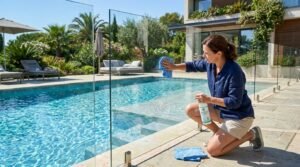
Hydrophobic coatings reduce water adhesion, allowing rainwater and pool splashes to run off more effectively. This minimizes mineral deposits, calcium buildup, and water spotting that commonly occur in humid environments.
Some manufacturers also offer coatings that resist fingerprints, sunscreen residue, and airborne contaminants. These treatments reduce cleaning frequency while helping the fence maintain its crystal-clear appearance throughout the year.
Ultraviolet resistance is another advantage. Unlike plastics that gradually discolor under prolonged sun exposure, quality architectural glass maintains its clarity even after years of outdoor use. Combined with corrosion-resistant hardware, these protective treatments contribute significantly to the longevity of the overall system.
## Step-by-Step Glass Pool Fencing Installation Process
A professionally installed Pool Fence Glass Railing is the result of careful planning, accurate measurements, precision engineering, and meticulous workmanship. Although the finished product appears simple and elegant, the installation process involves numerous technical stages that collectively determine safety, durability, and visual quality.
The project begins with a comprehensive site assessment. Installers inspect the surrounding landscape, concrete slab, deck structure, drainage patterns, and property boundaries before developing the installation plan. Accurate measurements are essential because frameless systems rely on precise glass panel dimensions and carefully calculated hardware spacing.
Following the survey, engineers determine the appropriate glass thickness, support method, and anchoring system based on structural loads and applicable building codes. These calculations ensure the finished fence performs safely under both everyday use and extreme weather conditions.
Only after engineering approval does fabrication begin. Each glass panel is manufactured to exact dimensions, polished, tempered, inspected, and packaged for transportation. Unlike many building materials, tempered glass cannot be cut or drilled after production, making measurement accuracy absolutely critical.
### Foundation Preparation and Hardware Installation
The structural foundation supporting the glass must remain stable throughout the system’s lifespan. Whether installed on concrete, stone paving, or elevated decking, the substrate must possess sufficient strength to resist movement.
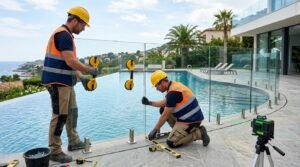
Installers mark anchor locations using laser equipment to maintain perfectly aligned panel spacing. Stainless steel spigots or base channels are then secured using heavy-duty anchors designed specifically for structural glazing applications.
Every anchor undergoes torque verification to ensure proper fastening. Minor inaccuracies at this stage can affect panel alignment, making precision especially important.
Drainage is also carefully considered. Proper water management prevents moisture accumulation around anchors, reducing long-term maintenance requirements while protecting surrounding finishes.
### Glass Placement and Final Inspection
Once the support hardware has been installed and verified, the glass panels are positioned using specialized lifting equipment designed to safely handle heavy tempered glass.
Technicians carefully align each panel, adjusting spacing and vertical alignment to create uniform sightlines across the entire fence. Precision leveling ensures consistent visual appearance while minimizing structural stress within the glass.
Following installation, gates are mounted and adjusted so they close automatically without excessive force. Self-latching mechanisms undergo repeated testing to confirm reliable operation from multiple opening angles.
The final inspection includes hardware torque verification, panel alignment checks, safety clearance measurements, gate testing, and overall compliance review. Only after successfully completing these inspections should the installation be considered finished.

## Hardware Components That Determine Long-Term Performance
While glass panels receive most of the visual attention, the hardware supporting a Pool Fence Glass Railing plays an equally important role in structural integrity and durability. Inferior hardware often becomes the first point of failure, making component quality one of the smartest investments homeowners can make.
Marine-grade 316 stainless steel remains the preferred material for outdoor glass fencing because of its exceptional corrosion resistance. Pool environments expose hardware to chlorine, salt, humidity, and changing weather conditions that rapidly deteriorate lower-quality metals.
Spigots support frameless glass panels while maintaining the illusion of floating glass. These components transfer structural loads into the underlying concrete or deck, making engineering quality particularly important.
Glass clamps are commonly used in semi-frameless systems, securely holding each panel while allowing for thermal expansion. High-quality clamps incorporate protective liners that prevent direct metal-to-glass contact, reducing stress concentrations.
Gate hinges deserve equal attention. Hydraulic soft-close hinges provide smooth operation while ensuring reliable self-closing performance. Precision engineering minimizes sagging over time and maintains proper alignment even after thousands of operating cycles.
Premium latches incorporate child-resistant locking mechanisms while remaining convenient for adults. Selecting hardware from reputable manufacturers ensures replacement parts remain available should future maintenance become necessary.