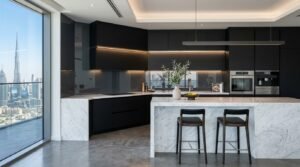
Dubai kitchens have evolved far beyond simple cooking spaces. Today’s homeowners expect their kitchens to combine luxury, practicality, and timeless aesthetics. Whether the property is a Downtown apartment, a Palm Jumeirah villa, or a family home in Arabian Ranches, interior finishes play a significant role in defining the overall atmosphere. One design feature that has rapidly become a favourite among architects and interior designers is the Glass Splashback Colours Dubai homeowners choose to complement modern cabinetry, premium countertops, and elegant lighting.
Selecting a splashback is no longer just about protecting walls from water, grease, and cooking stains. It has become one of the strongest visual elements inside a kitchen. The right colour can completely transform how spacious a room feels, how natural light reflects throughout the space, and how expensive the entire kitchen appears. At the same time, choosing the wrong colour may result in excessive glare, visible dust, poor harmony with surrounding materials, or a design that quickly feels outdated.
Dubai presents a unique environment that influences colour selection differently from many other cities around the world. The region experiences intense sunlight throughout the year, warm colour temperatures during daylight hours, frequent exposure to airborne dust, and architectural styles that often blend modern minimalism with luxurious finishes. These local characteristics make colour selection a technical decision rather than simply a decorative one.
This comprehensive guide explores every important aspect of choosing the ideal Glass Splashback Colours Dubai residents should consider before investing in a new kitchen. You will learn how lighting affects colour perception, why different cabinet finishes require different splashback shades, how glossy and matte glass behave under Dubai’s climate, and which colours continue to deliver long-term visual appeal.
In addition, the guide examines the psychology of colour, practical maintenance considerations, current design trends across the UAE, and professional installation advice used by experienced kitchen designers. Real-world examples, technical recommendations, and practical frameworks are included throughout to help homeowners, architects, builders, and interior designers make confident decisions.
By the end of this guide, you will understand not only which colours are currently popular but also why they work, where they perform best, and how to select a splashback that remains beautiful for many years rather than following short-lived design trends.
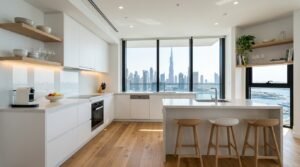
Understanding Dubai Kitchen Design Before Choosing Glass Splashback Colours
Choosing the right Glass Splashback Colours Dubai homeowners will appreciate for years begins with understanding the unique characteristics of kitchens in the UAE. Unlike homes in cooler climates, Dubai residences experience intense natural sunlight, elevated indoor temperatures, and design preferences that emphasize luxury, openness, and clean architectural lines. These factors significantly influence how a splashback colour looks throughout the day and how well it integrates with the rest of the kitchen.
Many homeowners make the mistake of selecting a splashback colour based solely on a small showroom sample. While a colour chip may appear perfect under artificial lighting, it can look entirely different once installed in a kitchen exposed to Dubai’s bright sunlight. Professional designers therefore evaluate colour in the context of lighting direction, cabinet finishes, countertop materials, flooring, and even ceiling height before making a recommendation.
A well-chosen splashback becomes more than a protective surface. It acts as a visual bridge connecting cabinetry, worktops, appliances, and decorative accents. When selected correctly, the Glass Splashback Colours Dubai designers recommend can make compact kitchens feel larger, improve brightness, and create a sophisticated atmosphere that complements modern lifestyles.
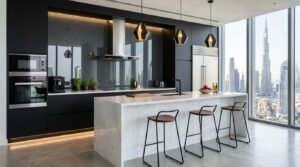
Why Dubai’s Climate Affects Glass Splashback Colour Selection
Intense Natural Sunlight Changes Colour Perception
Dubai receives abundant sunshine throughout the year, with daylight often much brighter than in many other regions. Natural light interacts with coloured glass differently depending on its angle, intensity, and the coating behind the glass. A colour that appears soft indoors during the evening may become considerably brighter during midday.
Lighter splashbacks such as white, ivory, pearl grey, and warm beige reflect large amounts of light, making kitchens feel spacious and airy. Darker colours absorb more light, creating depth and dramatic contrast, but they also reveal fingerprints, dust particles, and water spots more quickly. This is particularly important in homes with large windows or open-plan layouts where sunlight constantly changes throughout the day.
Professional installers often recommend viewing large glass samples under morning, afternoon, and evening lighting conditions before finalizing a colour. This prevents costly surprises after installation.
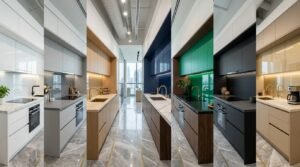
Heat Resistance and Colour Stability
Modern kitchen glass splashbacks are manufactured using toughened safety glass that easily withstands temperatures generated by cooking appliances. However, colour quality depends heavily on the manufacturing process.
Premium back-painted glass uses specialized ceramic or UV-resistant coatings that maintain colour consistency despite prolonged exposure to sunlight. Lower-quality painted glass can gradually fade, discolor, or lose vibrancy after years of intense UV exposure, especially in kitchens facing south or west.
Because Dubai experiences high UV levels throughout the year, investing in professionally manufactured coloured glass provides better long-term value than choosing cheaper alternatives.
Dust and Everyday Maintenance
Another unique factor affecting Glass Splashback Colours Dubai homeowners should consider is airborne dust. Fine desert dust naturally enters homes despite regular cleaning and air conditioning systems.
Glossy black glass may create an elegant appearance, but even small amounts of dust become highly visible. In contrast, medium greys, soft taupes, warm beige tones, and textured finishes tend to disguise dust accumulation more effectively, reducing the need for constant wiping.
This practical consideration often influences designers when recommending colours for busy family kitchens.