
A well-designed balcony can completely transform the appearance, functionality, and value of a property. Whether you own a luxury villa, waterfront home, modern apartment, condominium, hotel, or commercial building, the railing system plays a critical role in both safety and aesthetics. Among all available railing options today, a Glass Railing for Balcony has become one of the most popular choices because it combines elegance, durability, safety, and unobstructed views.
The growing demand for contemporary architecture has accelerated the adoption of glass railings across residential and commercial construction projects. Property owners are increasingly choosing a Glass Railing for Balcony because it creates a seamless visual connection between indoor and outdoor spaces. Unlike traditional wood or metal railings that can block views and make outdoor spaces feel smaller, glass panels preserve openness and maximize natural light.
However, choosing the right system is not as simple as selecting the most attractive design. A balcony railing must withstand structural loads, weather exposure, daily use, and long-term environmental conditions. The wrong choice can lead to excessive maintenance costs, safety concerns, premature replacement, and disappointing visual results.
Many homeowners make the mistake of focusing only on appearance. While aesthetics are important, professionals evaluate multiple factors including glass type, thickness, installation methods, hardware materials, building codes, wind loads, maintenance requirements, privacy considerations, and long-term durability. Every decision affects the overall performance of the railing system.
This comprehensive guide explores everything you need to know about selecting the ideal Glass Railing for Balcony solution. From understanding glass types and framing options to evaluating safety requirements, environmental conditions, design considerations, installation standards, maintenance expectations, and investment value, this guide provides a complete framework for making an informed decision.

Table of Contents
- Understanding Modern Glass Railing Systems
- Why Homeowners Prefer a Glass Railing for Balcony
- Types of Glass Used in Balcony Railings
- Frameless vs Framed Glass Railings
- Safety Standards and Building Code Requirements
- Understanding Glass Thickness and Structural Strength
- Design Factors That Influence Your Choice
- Environmental Considerations
- Hardware and Material Selection
- Installation Best Practices
- Common Mistakes to Avoid
- Cost Factors and Budget Planning
- Benefits of Investing in Premium Glass Railings
- Maintenance and Long-Term Care
- Real-World Case Study
- Frequently Asked Questions
- Conclusion
Understanding Modern Glass Railing Systems
What Is a Glass Railing System?
A modern Glass Railing for Balcony consists of specially engineered glass panels supported by structural mounting systems designed to provide safety without sacrificing aesthetics. These systems serve as protective barriers while maintaining clear sightlines and contemporary architectural appeal.
Unlike conventional railings that rely on dense vertical balusters or solid barriers, glass railings utilize transparent or semi-transparent panels. This approach creates a more open environment and helps maximize natural light throughout the property.
Today’s balcony glass railing systems are engineered using advanced structural principles. High-performance glass materials, precision-manufactured hardware, and sophisticated mounting systems work together to create durable and code-compliant installations.
Because of their versatility, glass railings are commonly found in luxury residences, apartment buildings, hotels, resorts, restaurants, office towers, and mixed-use developments.
Why Modern Architecture Loves Glass Railings
Architects often recommend a Glass Railing for Balcony because it complements contemporary design trends focused on simplicity, openness, and visual continuity.
Modern architecture emphasizes clean lines and unobstructed spaces. Glass railings support these goals by minimizing visual barriers while maintaining safety. They help buildings feel larger, brighter, and more connected to their surroundings.
Glass railings also integrate exceptionally well with other premium materials such as stainless steel, aluminum, natural stone, concrete, and wood. This flexibility makes them suitable for a wide range of architectural styles.
As a result, many property owners view glass railings as both a practical safety feature and a valuable design investment.

Why Homeowners Prefer a Glass Railing for Balcony
Enhanced Visual Appeal
One of the biggest reasons homeowners choose a Glass Railing for Balcony is its sophisticated appearance. Glass creates a modern and luxurious aesthetic that immediately elevates the overall look of a property.
Unlike bulky railing systems, glass allows architectural features to remain the visual focus. This creates a clean and refined appearance that appeals to modern buyers and design-conscious homeowners.
The transparency of glass contributes to a sense of openness and spaciousness. Even smaller balconies feel larger when enclosed with glass rather than traditional materials.
As property design trends continue evolving, glass railings remain one of the most desirable upgrades available.
Unobstructed Views
A major advantage of installing a Glass Railing for Balcony is the ability to preserve scenic views. Whether overlooking the ocean, mountains, city skyline, golf course, or landscaped garden, glass railings allow occupants to fully enjoy their surroundings.
Traditional railings often interrupt views with horizontal rails, vertical pickets, or solid panels. Glass eliminates these visual obstacles.
This feature is particularly valuable in luxury properties where outdoor views contribute significantly to overall property value.
Many homeowners specifically choose glass railings to maximize the enjoyment of premium locations.
Types of Glass Used in Balcony Railings
Tempered Glass Railing
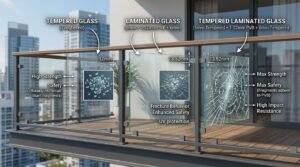
Tempered glass is among the most commonly used materials in a Glass Railing for Balcony system. Through a specialized heating and cooling process, tempered glass becomes significantly stronger than standard annealed glass.
Its enhanced strength helps resist impacts, wind pressure, and everyday wear. If breakage occurs, tempered glass shatters into small rounded pieces rather than dangerous sharp shards.
This safety characteristic makes tempered glass an excellent choice for residential and commercial balcony installations.
Many building codes specifically recognize tempered glass as an approved safety glazing material.
Laminated Glass Railing
Laminated glass consists of multiple layers bonded together using a durable interlayer. This design improves both safety and structural performance.
When laminated glass breaks, the interlayer helps keep fragments in place. This feature minimizes fall hazards and maintains barrier integrity until replacement can occur.
For many high-end projects, laminated glass is preferred because it provides additional security and peace of mind.
The enhanced safety profile makes laminated systems increasingly popular in modern construction.
Tempered Laminated Glass
The highest-performing Glass Railing for Balcony systems often use tempered laminated glass.
This premium material combines the strength of tempered glass with the retention benefits of laminated construction. As a result, it offers exceptional resistance to impact, wind loads, and structural stresses.
Luxury homes, high-rise buildings, and commercial developments frequently specify tempered laminated glass because of its superior performance.
Although more expensive, many experts consider it the best long-term investment.
Frameless vs Framed Glass Railings
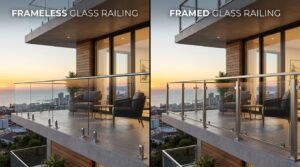
Frameless Glass Railing
A Frameless Glass Railing is often regarded as the most elegant option available. By minimizing visible hardware, frameless systems maximize transparency and create uninterrupted views.
These installations are particularly popular for waterfront homes, rooftop terraces, and luxury developments where scenery plays an important role.
Frameless systems support a sleek, minimalist aesthetic that aligns perfectly with contemporary architecture.
Because they require stronger glass and more sophisticated engineering, they generally cost more than framed alternatives.
Semi-Frameless Systems
Semi-frameless railings strike a balance between appearance and affordability.
These systems incorporate support posts while maintaining large glass panels between structural elements. The result is a modern appearance without the higher cost associated with fully frameless installations.
Many homeowners choose semi-frameless systems because they provide excellent value.
They offer strong performance while preserving most of the visual benefits of frameless designs.
Fully Framed Glass Railings
Fully framed railings surround glass panels with structural framing materials.
This approach increases stability and often simplifies installation requirements. Framed systems can be especially beneficial in challenging environments exposed to high winds or severe weather.
While less minimalist than frameless alternatives, they remain attractive and highly functional.
Many commercial properties continue to use framed systems because of their durability and cost efficiency.
Safety Standards and Building Code Requirements
Importance of Code Compliance
Every Glass Railing for Balcony must comply with applicable building regulations. These standards exist to protect occupants and ensure structural safety.
Codes typically address railing height, load resistance, glass specifications, and attachment methods. Requirements vary depending on location and building type.
Ignoring code requirements can lead to failed inspections, liability issues, and safety concerns.
Professional consultation helps ensure compliance throughout the project.
Wind Load Requirements
Wind loads are among the most important engineering considerations for any Glass Railing for Balcony installation.
High-rise buildings, coastal properties, and exposed locations experience substantial wind pressure. These forces influence glass thickness, hardware specifications, and structural support requirements.
Proper engineering analysis helps prevent excessive deflection and structural failure.
Investing in accurate wind-load calculations contributes to long-term safety and durability.
Impact Resistance
Balcony railings must withstand accidental impacts from occupants, maintenance equipment, furniture movement, and environmental factors.
Modern glass railing systems undergo extensive testing to verify performance under realistic loading conditions.
Choosing certified materials helps ensure compliance with industry standards.
Impact resistance should always be evaluated alongside visual design considerations.
Understanding Glass Thickness and Structural Strength
Why Thickness Matters
Glass thickness directly affects the strength, stability, and overall performance of a Glass Railing for Balcony system.
Thicker panels resist bending and deflection more effectively than thinner alternatives. They also provide greater resistance to impacts and environmental stresses.
Engineers determine thickness requirements based on project-specific conditions.
Selecting the correct thickness is essential for long-term performance.
Common Thickness Options
Residential balcony railings commonly use glass ranging from 10mm to 15mm or more.
Commercial applications and high-rise projects often require thicker configurations to satisfy structural requirements.
The ideal specification depends on panel dimensions, support methods, and applicable regulations.
Professional engineering guidance helps ensure optimal material selection.
Common Mistakes When Choosing a Glass Railing for Balcony
Many homeowners select a Glass Railing for Balcony based solely on appearance without evaluating structural requirements. While aesthetics are important, safety and performance should always take priority.
Another common mistake involves choosing low-cost materials that may not withstand long-term environmental exposure. Inferior hardware can corrode, loosen, or require premature replacement.
Some property owners overlook maintenance expectations. Understanding cleaning requirements and hardware inspection schedules helps prevent future frustration.
Working with experienced professionals significantly reduces the risk of costly mistakes and installation issues.

Cost Factors That Affect Glass Railing for Balcony Projects
The total cost of a Glass Railing for Balcony depends on multiple variables including glass type, thickness, framing style, hardware quality, labor costs, and project complexity.
Frameless systems typically require higher investments because they utilize stronger glass and specialized installation methods.
Environmental conditions can also influence costs. Coastal properties may require marine-grade materials and enhanced corrosion protection.
Although premium systems cost more initially, they often deliver better long-term value through durability and reduced maintenance expenses.
Benefits of Investing in a Premium Glass Railing for Balcony
A premium Glass Railing for Balcony offers exceptional durability, superior aesthetics, and enhanced safety performance.
High-quality materials generally resist corrosion, discoloration, and environmental degradation more effectively than lower-cost alternatives.
Property value can also benefit from premium railing installations. Many buyers associate glass railings with luxury and modern design.
Investing in quality from the beginning often reduces lifecycle costs while improving overall satisfaction.
Maintenance and Long-Term Care
Maintenance Tips for Glass Railing for Balcony
Routine cleaning helps preserve the appearance of a Glass Railing for Balcony. Dirt, pollen, water spots, and environmental residue should be removed regularly.
Using non-abrasive cleaning products prevents scratching and maintains optical clarity.
Periodic inspections of hardware and attachment points help identify potential issues before they become significant problems.
Consistent maintenance contributes substantially to long-term performance.
Long-Term Value
A properly maintained Glass Railing for Balcony can remain attractive and functional for decades.
Glass itself is highly resistant to weathering and does not rot, warp, or attract pests.
When combined with high-quality hardware, glass railings provide excellent durability and long-term return on investment.
Many property owners find that glass railings outperform traditional materials over extended periods.
Real-World Case Study
A luxury oceanfront condominium sought to maximize waterfront views while maintaining strict safety standards. After evaluating several railing options, the design team selected a premium Glass Railing for Balcony system utilizing tempered laminated glass.
Engineers conducted detailed wind-load calculations due to the property’s coastal location. Marine-grade stainless steel hardware was specified to resist corrosion.
The final installation dramatically improved visibility and enhanced the property’s modern aesthetic. Residents enjoyed unobstructed ocean views while benefiting from a robust safety barrier.
The project demonstrated how careful planning, proper engineering, and premium materials contribute to successful long-term results.
Frequently Asked Questions
Is tempered glass strong enough for a Glass Railing for Balcony?
Yes. Tempered glass is specifically designed to provide significantly greater strength than standard glass. It performs exceptionally well in most residential and commercial balcony applications.
Its unique breakage pattern enhances safety by producing small granular fragments rather than sharp shards.
For projects with elevated safety requirements, tempered laminated glass may provide additional benefits.
Professional engineering evaluation helps determine the most appropriate solution.
What is the safest option for a Glass Railing for Balcony?
Tempered laminated glass is generally considered the safest material for a Glass Railing for Balcony.
This combination provides both enhanced strength and fragment retention. If breakage occurs, the interlayer helps hold the glass together.
Many luxury developments and high-rise buildings specify tempered laminated glass for this reason.
Although more expensive, it offers exceptional safety performance.
Do glass railings increase property value?
Many real estate professionals believe that a well-designed Glass Railing for Balcony can positively influence property value.
Glass railings enhance curb appeal, modernize appearance, and improve the enjoyment of scenic views.
Buyers often perceive glass railings as premium architectural features.
Their visual impact can significantly enhance marketability.
Are frameless glass railings worth the cost?
For many property owners, the answer is yes. Frameless systems maximize visibility and create a luxury appearance that is difficult to replicate with other materials.
They provide exceptional aesthetic value and complement modern architectural designs.
However, project goals and budget constraints should always be considered.
A professional assessment can help determine the best option.
Conclusion
Choosing the right Glass Railing for Balcony requires balancing aesthetics, safety, structural performance, environmental conditions, maintenance expectations, and budget considerations. The best systems combine high-quality materials, professional engineering, and expert installation practices to deliver long-term value.
Whether you select a framed, semi-frameless, or frameless design, every decision should support both safety and visual appeal. Understanding glass types, thickness requirements, wind-load considerations, building codes, and maintenance needs helps ensure a successful investment.
A well-designed Glass Railing for Balcony not only protects occupants but also enhances architectural beauty, maximizes views, increases natural light, and improves property value. By following the expert guidance outlined in this comprehensive guide, homeowners and developers can confidently choose a railing system that delivers lasting performance and timeless elegance.