
Frameless vs Framed Shower Glass is one of the most important decisions homeowners face when planning a bathroom renovation. The shower enclosure is often the focal point of a bathroom, influencing both functionality and overall design. Choosing the wrong option can lead to higher maintenance requirements, unexpected expenses, or a finished bathroom that does not match your expectations.
The debate around Frameless vs Framed Shower Glass continues because both options offer unique advantages. Frameless enclosures provide a sleek, modern appearance that many homeowners associate with luxury bathrooms. Framed systems, on the other hand, are known for affordability, durability, and reliable water containment. Understanding the strengths and weaknesses of each style is essential before making an investment.
This comprehensive Frameless vs Framed Shower Glass guide will help you compare cost, appearance, durability, maintenance, installation requirements, safety, and long-term value. By the end of this article, you will have a clear understanding of which shower enclosure is best suited to your bathroom and budget.

What Is Frameless vs Framed Shower Glass?
When discussing Frameless vs Framed Shower Glass, the primary difference lies in the construction method. A framed shower enclosure uses metal framing around the glass panels and doors. This frame provides structural support and allows manufacturers to use thinner tempered glass.
A frameless shower enclosure eliminates most visible metal framing. Instead, thicker tempered glass panels are secured using specialized hinges, clips, and brackets. The glass itself contributes significantly to the structural integrity of the enclosure.
Because of these differences, Frameless vs Framed Shower Glass comparisons involve more than aesthetics. The construction method affects installation, durability, maintenance, and overall performance. Understanding these fundamentals helps homeowners make a more informed purchasing decision.
Frameless vs Framed Shower Glass Appearance
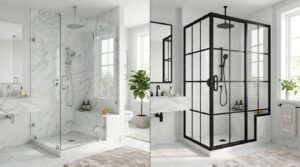
One of the biggest reasons people compare Frameless vs Framed Shower Glass is visual appeal. Frameless shower enclosures have become increasingly popular because they create a clean, open, and modern look. Without bulky metal framing, the glass appears nearly invisible, allowing tile work and decorative finishes to remain the center of attention.
Many interior designers recommend frameless systems because they make bathrooms feel larger. Natural and artificial light flows freely throughout the space, creating a brighter environment. This benefit is especially noticeable in smaller bathrooms where visual openness is important.
In contrast, framed shower enclosures have a more traditional appearance. However, modern framed designs are far more stylish than older models. Black-framed shower doors have become particularly popular in industrial and contemporary bathrooms. When evaluating Frameless vs Framed Shower Glass, the best aesthetic choice depends on the overall design vision for the space.
Frameless vs Framed Shower Glass Cost Comparison
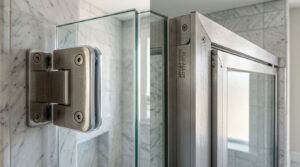
Cost is one of the most significant factors in any Frameless vs Framed Shower Glass decision. Framed shower enclosures are generally more affordable because they use thinner glass and standardized components. Installation is also typically simpler, reducing labor costs.
A framed enclosure is often the preferred choice for homeowners working within a strict renovation budget. The lower upfront cost allows them to allocate more resources toward other bathroom upgrades such as flooring, cabinetry, or lighting.
Frameless systems are usually more expensive. The thicker glass, premium hardware, and custom fabrication requirements contribute to higher project costs. Despite the larger investment, many homeowners believe the enhanced appearance and luxury feel justify the additional expense. In many cases, Frameless vs Framed Shower Glass becomes a balance between budget considerations and design priorities.
Frameless vs Framed Shower Glass Durability
Durability is another important aspect of the Frameless vs Framed Shower Glass debate. Both enclosure types use tempered safety glass designed to withstand everyday use. However, they distribute structural forces differently.
Framed systems rely on the metal frame for support. This design reduces stress on the glass and helps maintain stability over time. Because the frame absorbs much of the load, framed shower doors often remain functional for many years with minimal issues.
Frameless enclosures use thicker glass panels and high-quality hardware to achieve similar durability. Proper installation is critical because the hinges and brackets support heavier glass. When installed correctly, frameless systems can last for decades. Ultimately, the long-term durability of Frameless vs Framed Shower Glass depends on material quality, installation standards, and routine maintenance.
Frameless vs Framed Shower Glass Maintenance
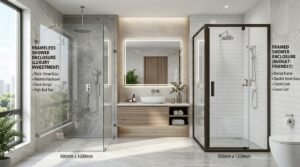
Maintenance requirements often influence the Frameless vs Framed Shower Glass decision. Frameless systems are generally easier to clean because they have fewer crevices where soap scum, hard water deposits, and mildew can accumulate.
The smooth glass surfaces can usually be cleaned with a simple squeegee and standard glass cleaner. This makes frameless enclosures attractive for homeowners seeking a low-maintenance solution.
Framed systems contain tracks, seals, and metal channels that require additional attention. Moisture can collect in these areas, increasing the risk of mold and mineral buildup if not cleaned regularly. While proper maintenance can keep framed enclosures looking great, they typically require more effort than frameless designs. This difference is a major consideration in any Frameless vs Framed Shower Glass comparison.
Frameless vs Framed Shower Glass Water Resistance
Water containment is often overlooked when evaluating Frameless vs Framed Shower Glass, but it plays a crucial role in everyday performance. Framed shower enclosures generally offer superior water resistance because the frame incorporates seals and channels designed to keep water inside the shower area.
These built-in barriers help reduce leakage, making framed systems especially practical for busy family bathrooms. Homeowners who prioritize functionality often appreciate this advantage.
Frameless enclosures can also provide excellent water containment when designed properly. However, the absence of extensive framing means there are fewer physical barriers to prevent water from escaping. Professional installation and thoughtful shower design are essential for achieving optimal performance. When considering Frameless vs Framed Shower Glass, water management should not be ignored.
Frameless vs Framed Shower Glass Installation
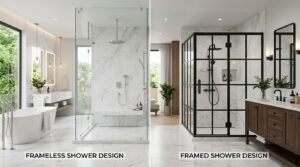
Installation complexity is another major difference in Frameless vs Framed Shower Glass. Framed systems are generally easier and faster to install because the frame can accommodate minor irregularities in walls and floors.
Many framed shower kits are manufactured in standard sizes, simplifying the installation process and reducing labor costs. This makes framed enclosures attractive for homeowners seeking a cost-effective solution.
Frameless installations require precise measurements and professional expertise. Since the glass panels are custom fabricated, even small measurement errors can create significant problems. The heavier glass panels also require specialized hardware and proper structural support. As a result, Frameless vs Framed Shower Glass installations often differ substantially in both complexity and cost.
Frameless vs Framed Shower Glass Safety
Safety is an essential consideration when comparing Frameless vs Framed Shower Glass. Both styles use tempered safety glass that is designed to break into small, less dangerous pieces if damaged.
Framed systems benefit from additional support provided by the surrounding frame. This structure can help protect glass edges and reduce the risk of accidental impacts causing damage.
Frameless systems rely on thicker glass and premium hardware to maintain safety. When installed correctly, they are extremely secure and meet modern building standards. In the Frameless vs Framed Shower Glass discussion, both options can provide excellent safety when sourced from reputable manufacturers and installed by experienced professionals.
Which Option Is Better for Your Bathroom?
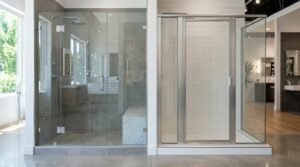
The answer to the Frameless vs Framed Shower Glass question depends on your specific goals. If you want a luxurious, contemporary appearance and are willing to invest more upfront, a frameless enclosure may be the ideal choice.
If affordability, practicality, and strong water containment are your top priorities, a framed shower enclosure may provide better value. Many homeowners find that framed systems deliver excellent performance while keeping renovation costs under control.
Bathroom size should also influence the decision. Smaller bathrooms often benefit from the openness of frameless glass, while larger bathrooms can successfully incorporate either style. Evaluating your budget, design preferences, and maintenance expectations is the best way to determine the right solution.
Frequently Asked Questions
Is Frameless vs Framed Shower Glass more expensive?
Frameless shower glass is typically more expensive due to thicker glass, premium hardware, and custom installation requirements.
Which lasts longer in Frameless vs Framed Shower Glass?
Both can last for decades when properly installed and maintained. Material quality is often more important than enclosure style.
Is cleaning easier with Frameless vs Framed Shower Glass?
Frameless enclosures are usually easier to clean because they have fewer tracks and frame components where dirt can accumulate.
Does Frameless vs Framed Shower Glass affect home value?
Frameless shower enclosures are often viewed as luxury features and may improve buyer perception during resale.
Which is better for small bathrooms?
Frameless systems often make small bathrooms appear larger because they allow more light and visibility throughout the space.
Conclusion
The Frameless vs Framed Shower Glass decision ultimately depends on your priorities, budget, and design goals. Frameless enclosures excel in aesthetics, openness, and ease of cleaning, making them a popular choice for modern bathroom renovations. Framed systems offer affordability, reliable water containment, and long-term practicality, making them an excellent option for many homeowners.
Understanding the differences between Frameless vs Framed Shower Glass allows you to choose a shower enclosure that aligns with your needs and expectations. Whether you select a frameless or framed design, investing in quality materials and professional installation will help ensure lasting performance and satisfaction.
By carefully evaluating every aspect of Frameless vs Framed Shower Glass, you can confidently create a bathroom that combines beauty, functionality, and long-term value.