
Glass Repair vs Replacement is one of the most important decisions homeowners, business owners, and property managers face when dealing with damaged windows, doors, storefronts, shower enclosures, and glass partitions. A small crack may appear harmless today, but it can quickly spread and create costly structural issues. On the other hand, replacing an entire pane of glass when a professional repair would have solved the problem can result in unnecessary expenses.
Modern glass systems do much more than provide visibility. They contribute to energy efficiency, security, weather protection, noise reduction, and property aesthetics. Because glass plays such an important role in a building’s performance, understanding when to repair and when to replace is essential.
Many people make decisions based purely on cost, but professionals evaluate several additional factors. Damage location, crack size, glass type, insulation performance, safety standards, and future maintenance requirements all influence whether repair or replacement is the better option.
This comprehensive guide explains everything you need to know about Glass Repair vs Replacement, including expert assessment methods, cost comparisons, energy-efficiency considerations, warning signs, and practical decision-making strategies.

Table of Contents
- Glass Repair vs Replacement: Understanding the Difference
- Why Glass Damage Should Never Be Ignored
- Glass Repair vs Replacement Assessment Framework
- When Glass Repair Is the Best Choice
- When Glass Replacement Is the Better Option
- Glass Repair vs Replacement Cost Analysis
- Glass Repair vs Replacement and Energy Efficiency
- Residential Glass Repair vs Replacement
- Commercial Glass Repair vs Replacement
- Real-World Case Studies
- Frequently Asked Questions
- Conclusion
Glass Repair vs Replacement: Understanding the Difference
The primary difference between glass repair and glass replacement lies in the extent of the solution. Glass repair focuses on correcting localized damage while preserving the existing pane. Glass replacement involves removing damaged glass entirely and installing a new unit.
Repairs are typically suitable for minor chips, small cracks, and surface scratches that do not compromise structural integrity. Modern repair technologies use advanced resins and restoration techniques that can strengthen damaged areas and improve appearance.
Replacement becomes necessary when damage affects safety, performance, or structural reliability. Large cracks, shattered glass, failed insulated glass units, and extensive edge damage often require complete replacement.
Understanding these differences helps property owners make informed decisions rather than relying solely on initial cost estimates.

Why Glass Damage Should Never Be Ignored
Many property owners postpone repairs because damage appears minor. Unfortunately, glass damage rarely improves over time. Small chips can expand into larger cracks due to temperature fluctuations, building movement, and daily stress.
Damaged glass can also reduce energy efficiency. Cracks and seal failures allow heat transfer, increasing heating and cooling costs throughout the year. Over time, these additional utility expenses can exceed the cost of addressing the problem early.
Safety is another major concern. Compromised glass may fail unexpectedly, creating risks for occupants, customers, employees, and visitors. This is particularly important in commercial buildings and high-traffic areas.
Addressing damage promptly often provides more repair options and prevents costly future replacements.

Glass Repair vs Replacement Assessment Framework
Professional glaziers use a structured evaluation process when determining whether repair or replacement is appropriate. The first step involves identifying the type of glass involved. Tempered glass, laminated glass, insulated glass, and decorative glass each have unique characteristics and repair limitations.
The next step is evaluating the severity of the damage. Technicians assess crack length, chip depth, location, and the potential for future spreading. Damage near edges typically presents greater risks because it affects overall strength.
Environmental exposure also influences the assessment. Glass exposed to severe weather conditions, direct sunlight, or significant temperature changes often deteriorates more quickly.
Finally, professionals consider building codes and safety regulations. Certain applications require replacement regardless of repair feasibility to ensure compliance and occupant protection.
When Glass Repair Is the Best Choice
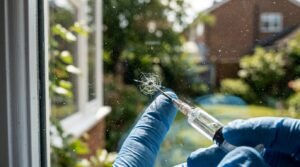
Glass repair is often the most cost-effective solution when damage is limited and structural integrity remains intact. Small impact chips are among the most common repair candidates. Professional resin injection techniques can stabilize these defects and prevent further spreading.
Surface scratches can also be repaired in many cases. Specialized polishing methods restore clarity and improve appearance without requiring full replacement. This is especially beneficial for large glass installations where replacement costs are significant.
Historic buildings and custom architectural features frequently benefit from repair because original materials may be difficult or expensive to replicate. Preserving existing glass can maintain authenticity while reducing project costs.
Repairs also minimize disruption. Businesses can continue operations, homeowners avoid extensive construction work, and projects are often completed much faster than replacements.
When Glass Replacement Is the Better Option
There are situations where replacement becomes the only practical solution. Large cracks extending across a significant portion of the pane generally indicate compromised structural integrity. Even if repairs are technically possible, long-term reliability may be questionable.
Shattered glass and extensive impact damage almost always require replacement. Once the structural characteristics of the glass have been compromised, restoring original performance is rarely feasible.
Failed insulated glass units are another common example. When moisture infiltrates the space between panes, fogging occurs and insulation performance declines. Replacement is typically necessary to restore efficiency and visibility.
Replacement may also be required to meet building codes, safety standards, and insurance requirements.
Glass Repair vs Replacement Cost Analysis
Cost is often the deciding factor in Glass Repair vs Replacement decisions. Repairs generally involve lower upfront expenses because they require fewer materials and less labor. Small chips and scratches can often be corrected quickly and affordably.
Replacement costs vary based on glass type, size, thickness, coatings, and installation complexity. Specialty products such as insulated glass units and laminated security glass typically cost more than standard panes.
However, long-term costs should also be considered. Repeated repairs, energy losses, and ongoing maintenance expenses can make replacement more economical over time.
A comprehensive cost analysis should evaluate immediate expenses, future maintenance requirements, energy savings, warranty coverage, and expected lifespan.
Glass Repair vs Replacement and Energy Efficiency
Energy efficiency has become a major factor in Glass Repair vs Replacement decisions. Damaged glass often reduces thermal performance and increases utility costs.
Seal failures in insulated glass units are particularly problematic. Once the insulating barrier is compromised, heating and cooling systems must work harder to maintain comfortable indoor temperatures.
Modern replacement glass offers significant efficiency improvements. Low-E coatings, argon gas fills, and advanced spacer technologies help reduce heat transfer and improve comfort.
While repairs can preserve efficiency when damage is minor, replacement often provides greater long-term savings when insulation performance has already been affected.
Residential Glass Repair vs Replacement
Homeowners face unique challenges when deciding between repair and replacement. Budget considerations often influence decision-making, but safety and comfort should remain priorities.
Minor chips and scratches in residential windows may qualify for repair. However, cracks affecting visibility, security, or insulation performance frequently justify replacement.
Patio doors, shower enclosures, and skylights require special attention because failure can create serious safety hazards. Professional evaluations help homeowners determine the most practical solution.
Energy-efficient upgrades can also make replacement more attractive, particularly in older homes with outdated glazing systems.

Commercial Glass Repair vs Replacement
Commercial properties often require a more conservative approach. Storefronts, office buildings, and public facilities must comply with strict safety standards while maintaining a professional appearance.
Business continuity is another important consideration. Repairs can reduce downtime, but replacement often provides greater reliability and lower long-term maintenance costs.
Property managers must also consider liability risks. Damaged glass poses potential hazards to customers and employees, making proactive solutions especially important.
As a result, commercial applications frequently favor replacement when damage affects structural integrity or regulatory compliance.
Real-World Case Studies
A retail storefront suffered multiple impact chips after a severe storm. Inspection revealed that the damage remained localized and had not affected structural performance. Professional repairs restored functionality while saving thousands of dollars compared to replacement.
A residential property developed condensation between double-pane windows. Testing confirmed seal failure, making replacement the only practical option. The new windows improved visibility, reduced energy costs, and enhanced indoor comfort.
An office building experienced recurring stress cracks in several curtain wall panels. Engineers determined that repairs would only provide temporary relief. Replacement eliminated ongoing maintenance concerns and improved long-term reliability.
These examples demonstrate that the correct choice depends on professional assessment rather than assumptions.
Frequently Asked Questions
Can a cracked window always be repaired?
No. Small cracks may be repairable, but larger cracks often compromise structural integrity and require replacement.
Is glass replacement more expensive?
Replacement generally costs more initially, but it can provide better long-term value through improved performance and reduced maintenance.
Can foggy double-pane windows be repaired?
Most foggy insulated glass units require replacement because seal failure affects thermal performance.
How long do professional glass repairs last?
High-quality repairs can last many years when damage remains within repairable limits and environmental conditions are favorable.
Does damaged glass affect energy efficiency?
Yes. Cracks, seal failures, and deteriorated glazing systems can increase heat transfer and raise utility costs.
Should tempered glass be repaired or replaced?
In many cases, tempered glass should be replaced because damage can lead to sudden failure.
Conclusion
Glass Repair vs Replacement decisions should be based on safety, performance, cost, and long-term value rather than immediate expenses alone. Minor chips, scratches, and localized defects often make repair the most practical choice, while extensive cracks, seal failures, and structural damage typically require replacement.
By understanding the principles outlined in this guide, property owners can make smarter Glass Repair vs Replacement decisions that protect their investments, improve energy efficiency, and maintain building safety. When in doubt, consult a qualified glass professional who can assess the damage and recommend the most cost-effective solution.